
Trade Schools: Opening Skilled Career Pathways for Underserved Learners
Trade schools such as Virginia Technical Academy (VTA) offer practical vocational training designed to meet the needs of the growing skilled labor market, particularly supporting students who lack traditional academic backgrounds. These programs focus on real-world skills and industry-recognized certifications that prepare learners for reliable careers in fields like electrical work, plumbing, and HVAC.
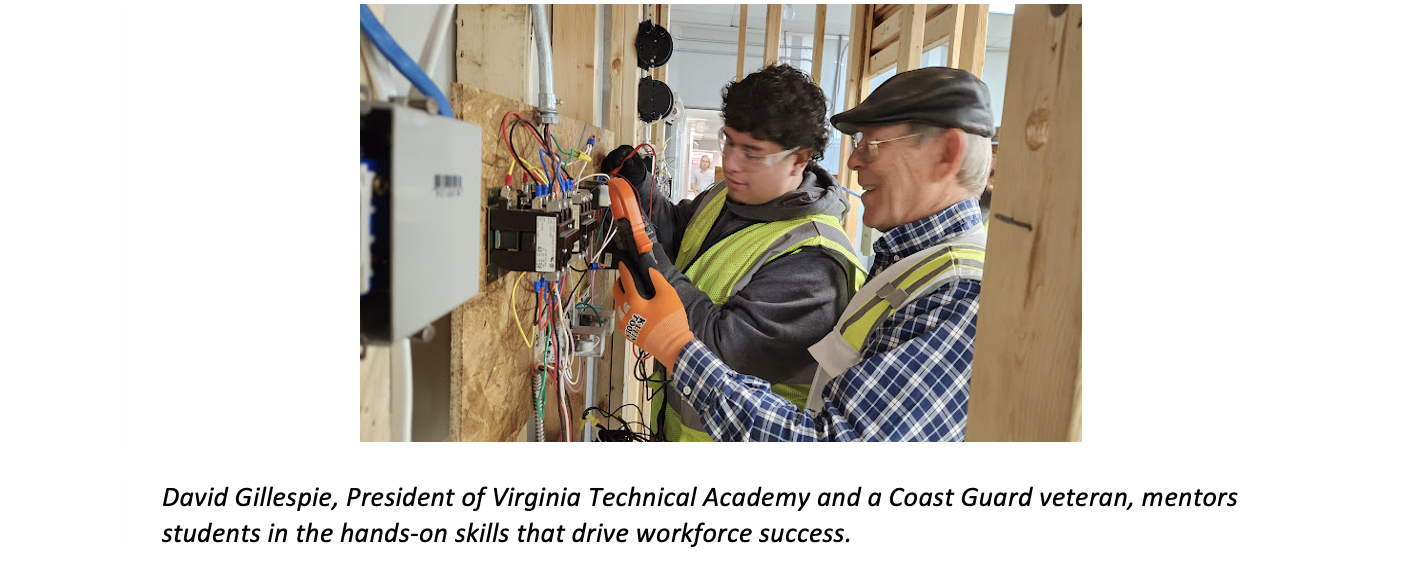
Since 2020, VTA’s Department of Labor-approved programs have graduated over 1,500 individuals, with a 95% job placement rate due to their focus on performance-based learning and meeting industry standards. Trade schools offer a faster, more affordable path to well-paying jobs than four-year colleges and are essential for addressing workforce shortages, especially as small businesses face challenges finding qualified staff. Experts recommend increased government investment and suggest tying admissions requirements to job placement outcomes to enhance workforce development. Trade schools also serve as a vital resource for homeschooled students who might not have access to standard Career Technical Education opportunities. Virginia Technical Academy is a post-secondary vocational training institution committed to achieving performance-based outcomes for its graduates, as demonstrated in this video. VTA, as an approved RTI (Related Technical Instruction) provider and the State Council of Higher Education for Virginia (SCHEV), has an exemption. At the same time, VTA delivers measurable workforce outcomes through nationally recognized credentials and industry-validated competency training. Trade schools are opening doors to good-paying careers. "Pursuing a career in the skilled trades allows individuals to enter the workforce more quickly while earning competitive wages, without the long-term time and financial investment required for a four-year degree," shares AME (Association for Manufacturing Excellence) President and CEO Kim Humphrey. "Trade pathways offer an efficient route to stable and rewarding employment. Trade schools deliver targeted, skills-based training that prepares students for high-demand fields such as plumbing, carpentry, electrical work, and HVAC. This practical, hands-on education provides a credible and effective alternative to the traditional college track." Underserved learners, such as adults without a diploma or GED, can participate in Comprehensive Adult Student Assessment Systems (CASAS), which offer basic skills testing and curriculum tools for instructional design to include the Ability to Benefit (ATB) guidelines. CASAS is a trusted tool used by various organizations to assess readiness and potential. Anyone aged 16 or older, including homeschooled students, may participate if they meet safety and job requirements. VTA prioritizes proven skills and potential over GPA and traditional credentials. Grade inflation can distort decisions and exclude talented individuals who may not thrive in standard academic environments. By assessing real-world abilities, VTA supports future innovators who might otherwise be overlooked. Government subsidies have encouraged more young people to attend college, even though some might be better suited for vocational training. This has contributed to a labor market skills gap: one-third of small business owners recently reported open positions, and 49% found few or no qualified applicants, according to the National Federation of Independent Business. “We all know that trade schools are essential to developing the skilled workforce we all need,” Jeannine Kunz, CEO of SME, said. “Effective programs provide students with practical training that is directly relevant to their chosen fields. The focus on hands-on learning ensures that learners acquire the competencies needed to succeed in real-world work environments. Manufacturing is an exciting, vibrant industry that generates good-paying jobs across the country.”These recommendations align trade school admissions and funding with industry needs through objective metrics like job placement rates and career-readiness skills. The goal is 80% job placement within a year and a projected $3–$5 return on investment via better employment outcomes and higher state tax revenue. Trade schools provide a direct route from education to employment, especially for homeschooled students who lack access to Career Technical Education (CTE) programs offered by public schools. In Virginia, around 60,000 homeschooled students cannot attend CTE programs because of their enrollment status. With help from Literacy for Life (LFL) and Virginia Technical Academy’s open enrollment, Luis Lopez joined the Level 1 Electrician course and received a WIOA Youth Program grant. Weekly LFL tutoring and VTA staff support are helping him gain confidence and technical skills. He aims to finish all electrician training levels and earn his license.
Harry Moser, founder of the Reshoring Initiative, calls for more government funding in technical skills training. Moser argues that prioritizing vocational education over only degree-granting programs will help close the skills gap and support U.S. job growth. Founded by David Gillispie, Virginia Technical Academy trains skilled professionals in HVAC, electrical work, plumbing, and appliance repair. VTA graduates are job-ready and recommended by employers. Glenn Marshall is a Dyslexic, President of the Virginia Peninsula Military Officers Association of America (MOAA), a member of the Association for Manufacturing Excellence (AME), the Reshoring Initiative, and a career pathways volunteer for Newport News Shipbuilding (NNS) (retired). Email him at marsh8279@aol.com. - - -