
Digital Shipbuilding: Emergence of the New-Collar Workforce
The Reshoring Initiative has revitalized U.S. manufacturing and shipbuilding industries, resulting in increased demand for skilled "new-collar" professionals trained through hands-on experience, trade schools, and apprenticeships. President Trump referred to this era as a “golden age for American manufacturing,” noting the expansion of technology-related employment opportunities.
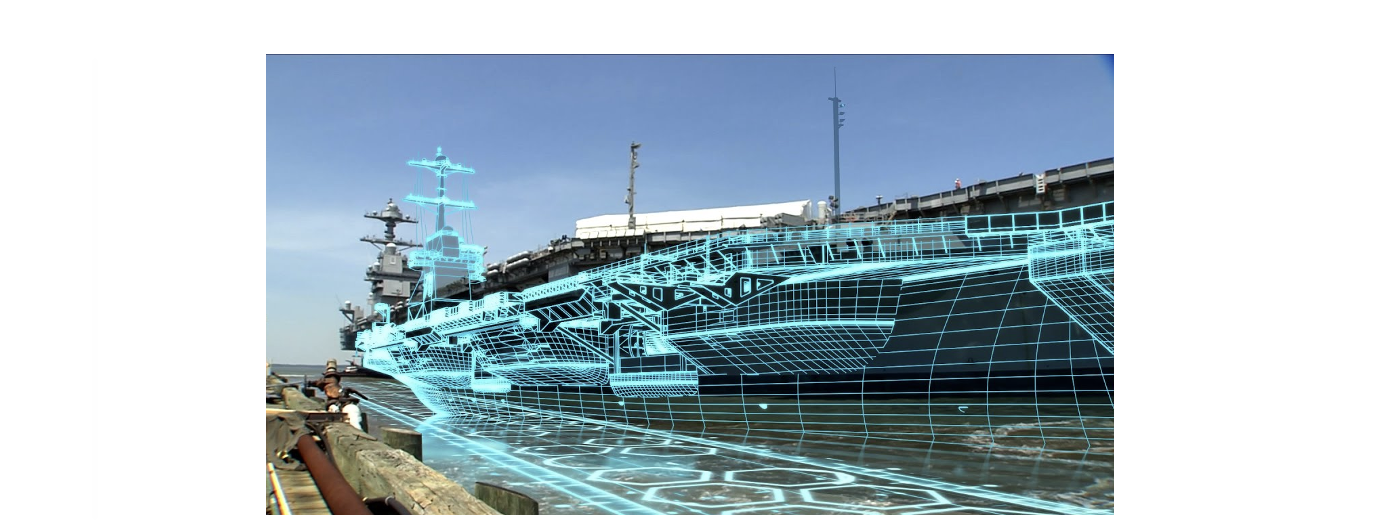
As a significant number of employees retire and technical expertise wanes, retraining programs have become critical nationwide. Mike Rowe has observed that members of Generation Z value careers in the trades and increasingly view the distinction between blue- and white-collar roles as less pronounced. A shortage of skilled workers and vocational training exists in advanced manufacturing and shipbuilding. The Reshoring Initiative’s 2025 Survey suggests that expanding skills programs and apprenticeships could boost U.S. manufacturing jobs, as employers tend to value practical experience over formal degrees. To its credit, Newport News Shipbuilding (NNS) adopted an apprentice model early on to train skilled shipbuilders. The Newport News Shipbuilding Apprentice School was founded in 1919 and has graduated more than 11,000 skilled workers. While state or federal certification isn't required for employment, apprentices must still complete trade-specific qualifications. Today’s advanced shipbuilding industry utilizes automation, data analytics, artificial intelligence (AI), and 3D Visualization to boost productivity and quality. Digital technologies and mobile platforms facilitate workforce efficiency while ensuring the maintenance of rigorous standards. The shipbuilding industry has experienced significant advancements, transitioning from sail-powered vessels to steam propulsion, from riveted assemblies to welded structures, and from manual blueprints to computer-aided design (CAD). Presently, modular construction methods are broadly implemented in the fabrication of sophisticated ships. AI and 3D are generating new jobs that require technical skills, often with just a high school diploma and strong math and science knowledge. 3D improves efficiency by providing visual guidance, reducing errors and costs, and breaking down complex tasks into simple steps so employees can learn quickly. For example, an NNS Apprentice uses a 3D Visualization tablet to follow step-by-step instructions.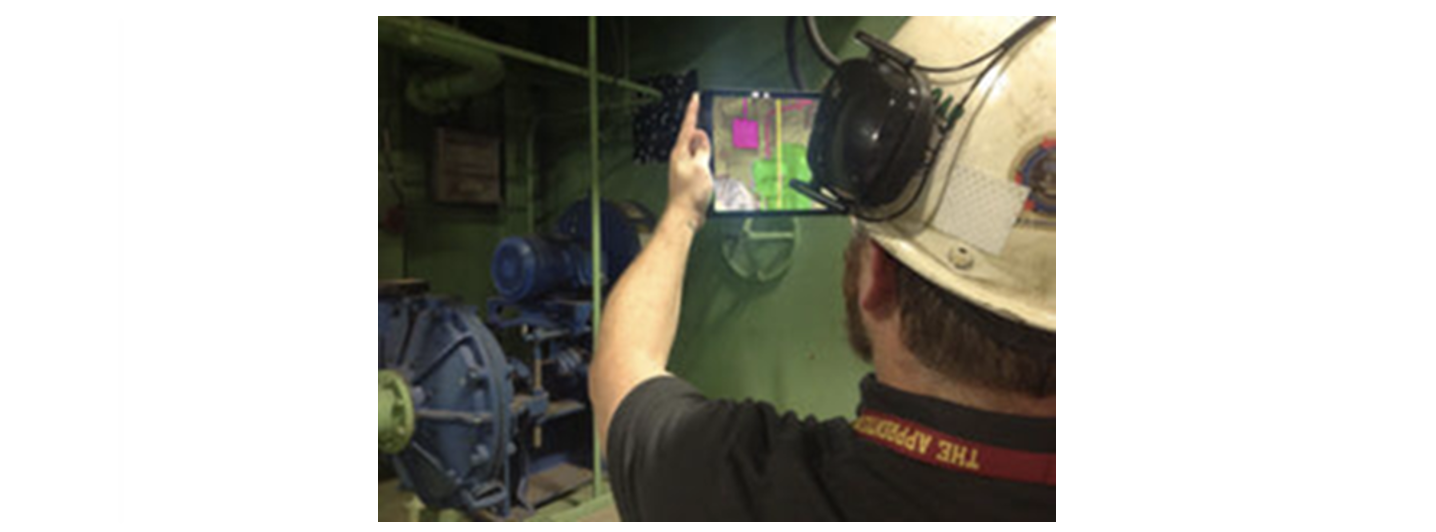 The U.S. Navy and Newport News Shipbuilding are using augmented reality (AR) to reduce construction costs for nuclear-powered Ford-class aircraft carriers. NNS uses 3D AR alongside traditional 2D methods to boost efficiency and save time and money. Since WWII, shipbuilding has modernized; today, NNS is building the next nuclear-powered U.S. Navy carriers in Virginia by using digital tools, including tablets for 3D visualization, with skilled workers moving toward paperless operations. With the Navy expanding advanced shipbuilding programs, there will be a growing need for a skilled new-collar workforce building on digital successes seen at NNS. Meeting the demand for a new Golden Fleet requires hundreds of thousands of new shipbuilders and supply chain workers over the next decade. This challenge calls for greater emphasis on vocational high school education, trade schools, apprenticeships, and community partnerships to efficiently integrate new technologies into advanced manufacturing and shipbuilding. Modern shipbuilding depends on a new-collar workforce using AI and digital tools to improve efficiency while addressing the challenges of the Golden Fleet. Glenn Marshall, President of Virginia Peninsula Military Officers Association of America (VIPMOAA), a member of the Association for Manufacturing Excellence (AME), and the Reshoring Initiative (RI), and a career pathways volunteer for Newport News Shipbuilding (retired). Contact: marsh8279@aol.com. Editor’s Note: Appreciation to the HII Newport News Shipbuilding Communication Team for their support. - - -